Welcome to the next episode of The Reveal where we take you inside the mind of a test-taker to deconstruct and connect the dots of a board-style question so you can become a better student, transform how you learn, and excel not only on high-stakes exams, but also in your general medical knowledge. Let’s get started.
Episode 18 is limited to audio only, but video returns for episode 19.
A 21-year-old woman presents with pain, tearing, photophobia, and left eye redness. She has been wearing her contact lenses continuously for the last two weeks. A slit lamp examination reveals a white, hazy opacity on the cornea at the 3 o’clock position of the cornea with associated limbal flush. Which of the following is the most appropriate pharmacotherapy?
Welcome back to RoshCast for Episode 52!For those of you taking the upcoming in-training exam, an early congratulations! All of your hard work will surely pay off soon. Remember to listen to this episode and old episodes as you get closer to the end for more review. Good luck from us at the RoshCast team!
Begin to be now what you will be hereafter.
–William James
Question 1
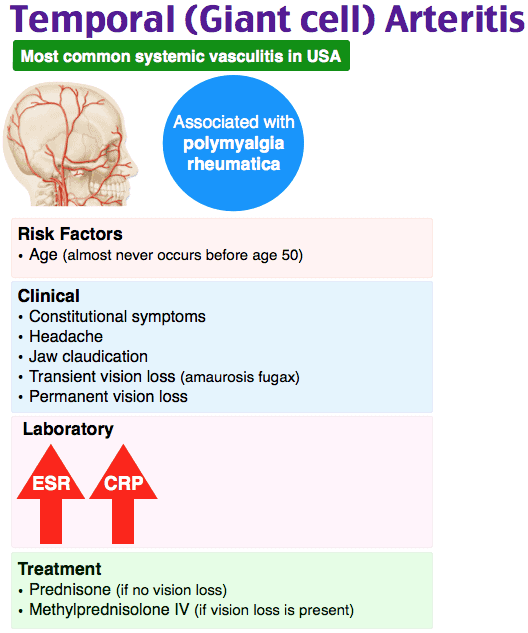
A 64-year-old woman presents to the emergency department with a right-sided headache. Past medical history includes hypertension, migraines, and polymyalgia rheumatica. Her symptoms started three days ago and have progressively worsened. She states that this headache is different from her previous migraines. It is frontal and she describes it as an ache without radiation of symptoms. She does describe worsening of symptoms with eating as well as when she brushes her hair. She admits to feeling more tired the last couple of days as well as having partial vision loss in the right eye. She denies any nausea or vomiting. Vital signs demonstrate a temperature of 38°C but otherwise are within normal limits. Physical examination is remarkable for tenderness to palpation over the right temple and visual acuities of 20/40 OS and 20/80 OD. What is the most appropriate next step in this patient’s management?
A. Intravenous methylprednisolone
B. Obtain erythrocyte sedimentation rate and C-reactive protein to confirm the diagnosis
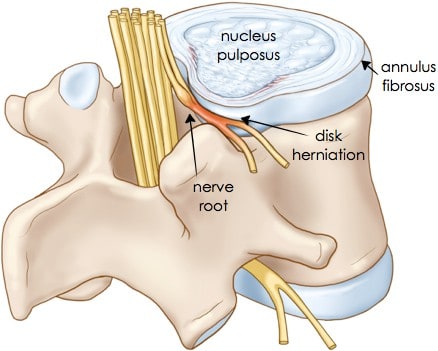
A 42-year-old man presents to the emergency department with lower back pain that started acutely while lifting a couch. He complains of pain radiating to the right posterolateral calf. He denies any bowel or bladder incontinence. On examination, he has decreased plantar flexion at the right ankle and numbness of the right lateral foot. Disk herniation at which level is most likely responsible for his findings?
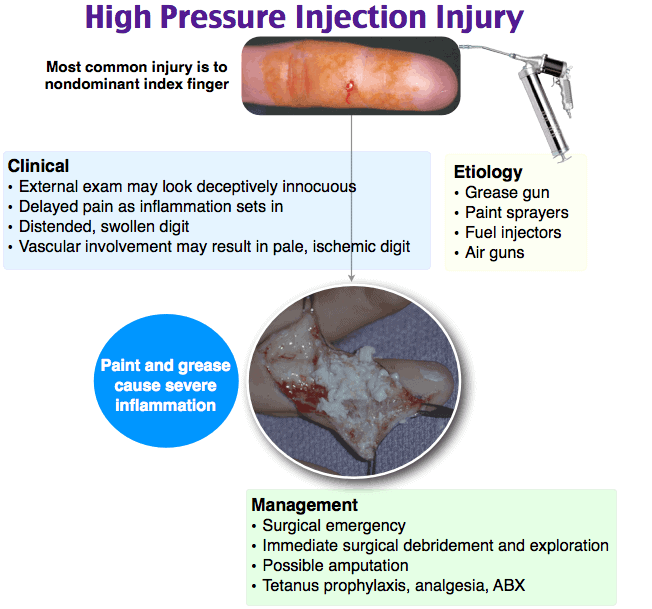
A 27-year-old man presents to the ED with left-hand pain. He was at work as an auto mechanic when he accidentally injected his left index finger with a grease gun. On physical exam, the digit is swollen with a central pinhole wound. The remainder of the hand exam is unremarkable. Which of the following will best determine the amount of tissue damage a substance will cause?
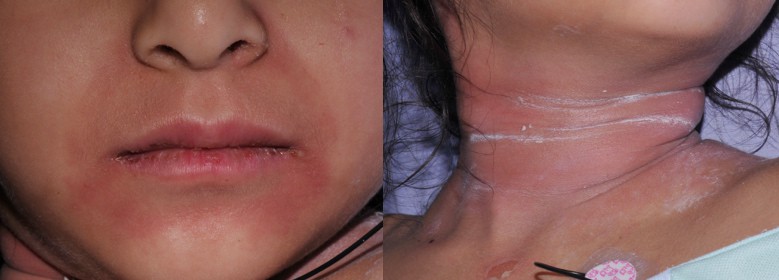
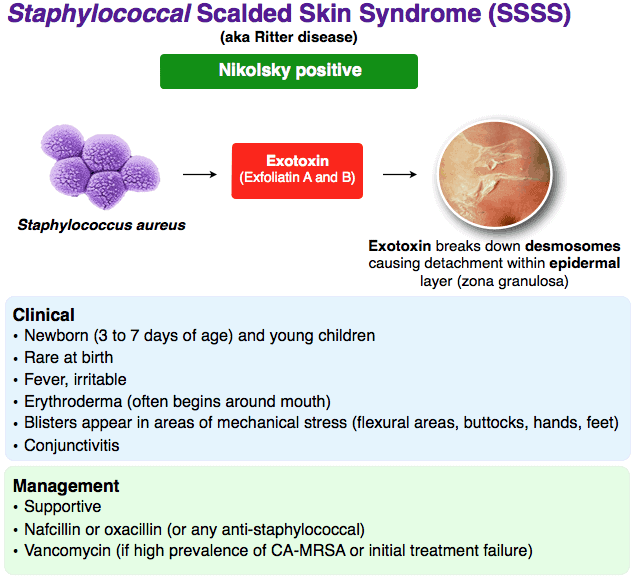
A 5-year-old girl presents to the ED with a rash that started on her face and spread to her neck, axillae, and groin. Mom states that the patient had an upper respiratory infection one week prior. On examination, the patient’s rash is tender to the touch. Which of the following statements regarding the diagnosis of this patient’s condition is correct?
A. Deep layers of the dermis are involved
B. It often leaves the patient disfigured from scarring
C. Mucous membrane involvement is common
D. The disease is caused by an exotoxin producing bacteria
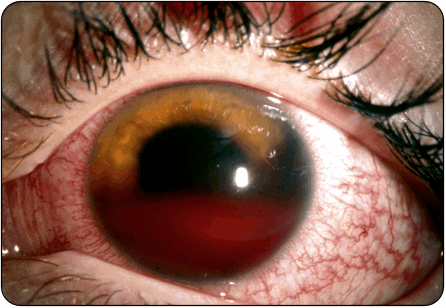
A 22-year-old man complains of pain, photophobia, and vision loss in his eye. He has a history of sickle cell anemia. His vision is 20/200 in the affected eye. Intraocular pressure is 30 mm Hg in the affected eye. You see the above finding on physical exam. Which of the following medications should be immediately administered to this patient?
Vision loss is the most concerning clinical feature in patients with temporal arteritis, whereas jaw claudication is the clinical feature that is most likely associated with a positive temporal artery biopsy.
S1 radiculopathy leads to decreased plantar flexion, numbness to the lateral foot, decreased sensation along the posterolateral calf, and decreased Achilles reflex.
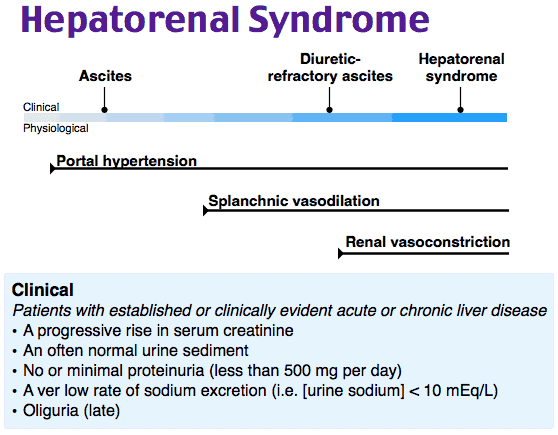
Hepatorenal syndrome leads to arteriolar constriction and the kidneys here would appear normal histologically.
The chemical properties of the substance injected is the primary determinant of damage caused by high-pressure injection injury. While air and clean water have a benign course, paint solvents cause the most severe inflammation.
Staph scalded skin syndrome presents in children less than 5 years old and often follows a URI. The rash starts on the face, neck, axillae, and groin, and there will be a positive Nikolsky sign.
Patients with a spontaneous hyphema present with decreased visual acuity, elevated intraocular pressure, and an afferent pupillary defect. Immediate treatment is with agents that lower intraocular pressure including topical timolol.
That wraps up RoshCast Episode 52! Creating and producing RoshCast has been a ton of fun, but it also takes a ton of time. We are unfortunately halting production for the time being to focus on other projects. We thank you all for your long-time listenership. And don’t forget that there are 51 other episodes. Listen and re-listen on your commute to work, at the gym, or even just at a desk during dedicated study time.
A huge thanks also goes out to all of the folks at Rosh Review who have worked diligently to create high-quality clinical questions. If you need to reach us, please e-mail Nachi at nachig@gmail.com. Be sure to also check out the rest of the Rosh Review Blog for questions from prior episodes, related images, and tables, as well as bonus teaching points.
A champion is defined not by their wins but by how they can recover when they fall.
–Serena Williams
Welcome back to RoshCast for Episode 51! For those of you taking the initial certification exam, you’re at the home stretch. Remember to listen to this episode and old episodes as you get closer to the end for more review. Good luck from us at the RoshCast team! We have a great episode for you to get you prepped in your final studies!
Question 1
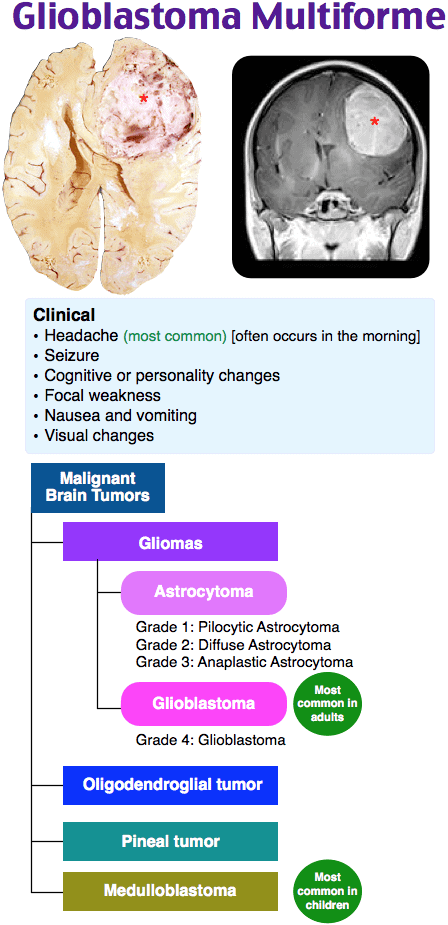
A 46-year-old man presents with a progressive dull headache over the past 3 weeks. It is worse in the morning and with bending over or coughing. He denies any fever or congestion. For the last two days, he has had associated nausea and three episodes of vomiting. Which of the following characteristics seen on neuroimaging would be most consistent with a glioblastoma?
A. Heterogenous mass with central necrosis
B. Lack of enhancement with administration of contrast
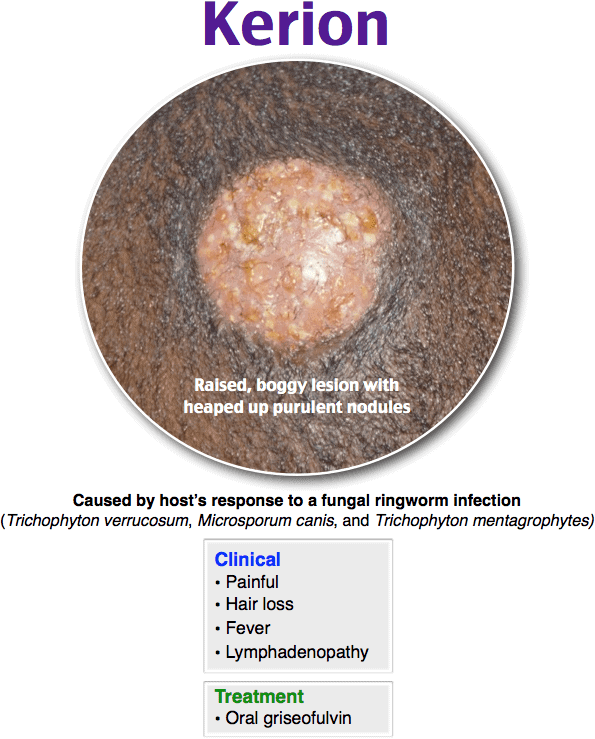
A 16-year-old African American boy presents with a scalp rash. On examination, it is a 5 x 5 cm boggy and thickened area of the right parietal cap with an overlying scaly and crusty plaque and hair loss. The lesion appears yellowish-green under a Wood’s lamp. What is the treatment of choice for this lesion?
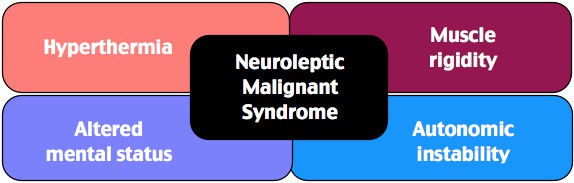
A 22-year-old man recently diagnosed with schizophrenia presents to the ED with altered mental status. His blood pressure is 160/80 mm Hg, pulse 130 beats per minute, and temperature is 39.5°C. He is noted to be confused and diaphoretic. He has muscle rigidity and a tremor in his hands. What is the most likely diagnosis?
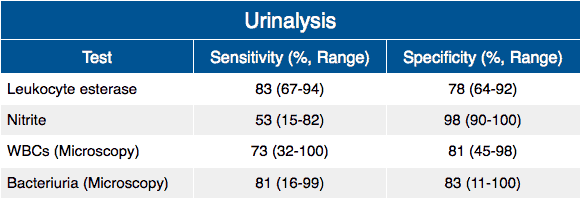
A 21-year-old woman presents with painful urination. She has no vaginal discharge and is not sexually active. Which of the following is most sensitive for a urinary tract infection on urine dipstick testing?
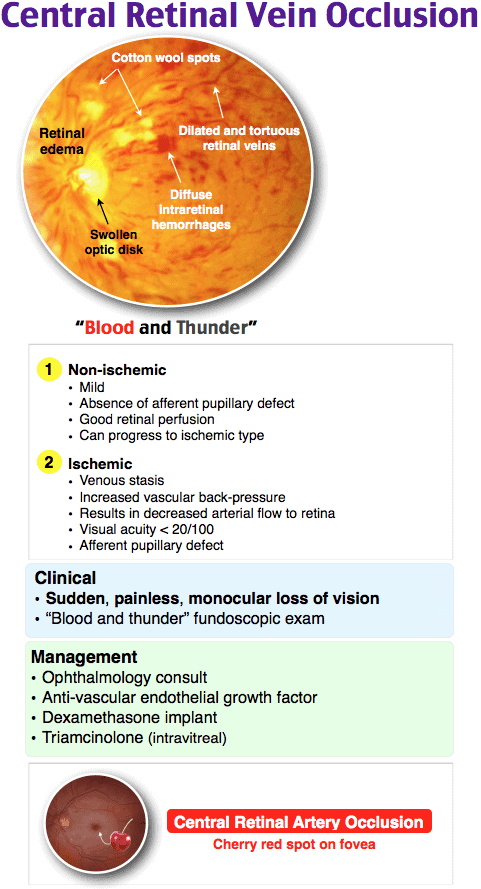
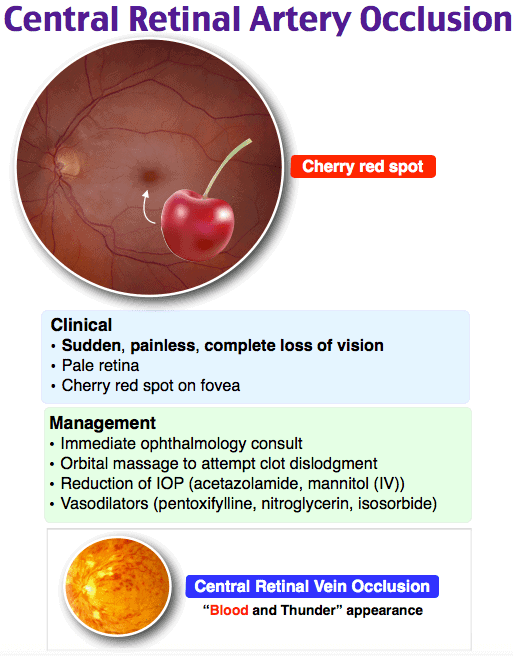
A 73-year-old man presents with painless vision loss in the right eye. Which of the following on funduscopic examination is most characteristic of central retinal vein occlusion?
Glioblastoma is the most common primary malignant brain tumor in adults and presents as a heterogeneous mass with central necrosis.
A kerion is a boggy, pus-filled lesion caused by a fungalinfection on the scalp. It is treated with a 6 to 8-week course of oral griseofulvin.
New antipsychotic medication administration and a presentation of altered mental status, muscle rigidity, hyperthermia, and autonomic instability is classic for the diagnosis of neuroleptic malignant syndrome.
On urine dipstick, leukocyte esterase is sensitive while nitrites are specific for a urinary tract infection.
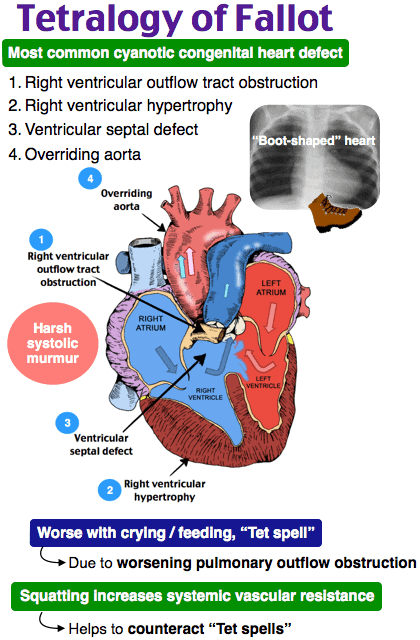
Tetralogy of Fallot is the most common cyanoticcongenital heart disease and is associated with a harsh systolic murmur that improves with squatting.
Central retinal vein occlusion presents with sudden, painless, monocularvision loss with the classic “blood and thunder” appearance and retinal hemorrhages.
That wraps up RoshCast Episode 51! Be sure to also check out the rest of the Rosh Review Blog for questions from prior episodes, related images, and tables, and bonus teaching points. There are also tons of other great free resources to help prepare you for the boards and the wards. Don’t forget to follow us on twitter @RoshCast. And you can always email us at RoshCast@RoshReview.com with any feedback, corrections, or suggestions.
You can also help us pick questions by identifying ones you would like us to review. Write “RoshCast” in the submit feedback box as you go through the question bank. Lastly, if you have a minute, make sure to rate us and leave comments on iTunes to help spread the word about RoshCast.
A hero is someone who has given his or her life to something bigger than oneself.
–Joseph Campbell
Welcome back to RoshCast for Episode 50! Wow!! We can’t believe we’re already at Episode 50. It’s been a real journey building this podcast from the original concept two years ago. And in the last year, we have seen some pretty big changes, including Megha joining the team. We are excited to see how RoshCast continues to evolve over the next fifty episodes and two years.
None of this would be possible without you, our listeners. Your listenership and feedback is what drives us to keep delivering high-quality content! We value every moment you give your attention to us, and we try our best to design the episode to maximize your learning. We have a pretty involved process for choosing questions to present to you and for how we manipulate and deliver the content before we get it to your ears.
With that, let’s kick off a great episode!
Question 1
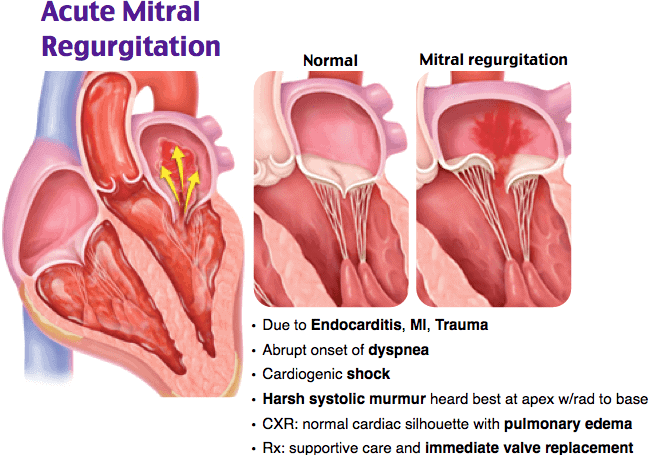
A 70-year-old woman with history of coronary artery disease, hypertension, and diabetes presents to the emergency department with chest pressure and shortness of breath. Her exam is notable for a new holosystolic murmur best heard over the midaxillary line as well as diffuse bilateral rales. Which of the following is most likely to be seen on this patient’s ECG?
A. Biventricular tachycardia
B. S1Q3T3 pattern
C. ST-depressions in I, V6, and aVL without ST-elevations
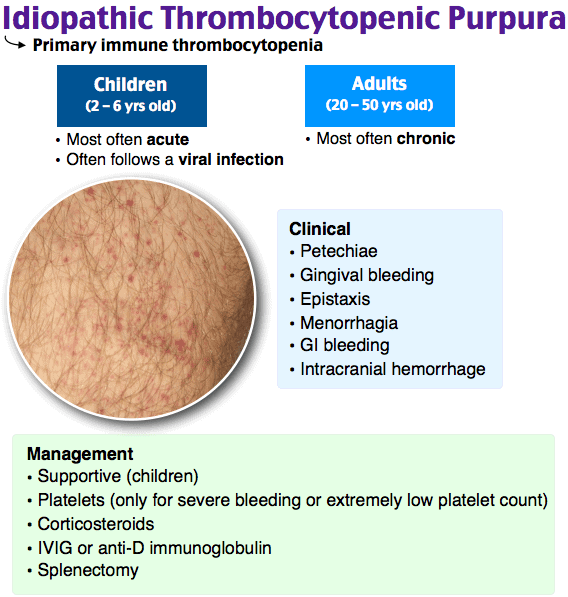
A 26-year-old woman with no medical history presents with bleeding gums after brushing her teeth for the last three days. Her complaint was preceded two weeks ago by a URI. Her examination is unremarkable except for oozing from the gums. Labs show a platelet count of 23,000. Which of the following is the most appropriate next step in management?
A. IV immunoglobulin
B. Platelet transfusion
C. Steroids, IV immunoglobulin
D. Steroids, IV immunoglobulin, and platelet transfusion
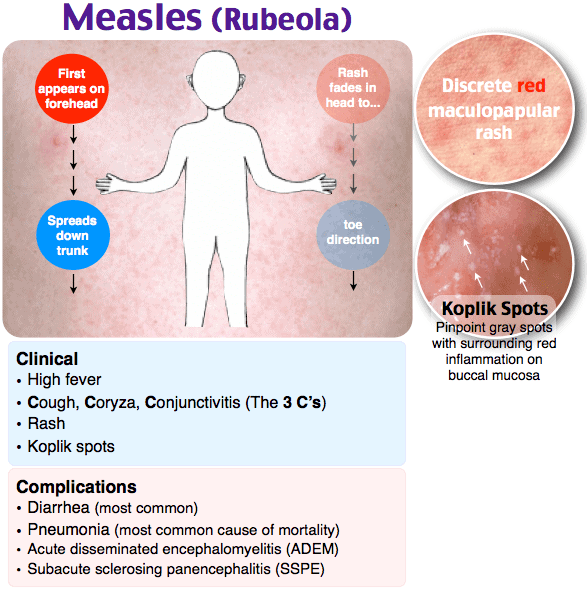
Which of the following is most suggestive of measles infection?
A. A prodrome of fever, lymphadenopathy, and conjunctivitis followed by a maculopapular rash that starts on the face and spreads to the trunk and limbs
B. Diffuse maculopapular rash with white spots on the buccal mucosa
C. High fever for three days followed by the appearance of a pink maculopapular rash after defervescence
D. Presence of shallow ulcers on oral mucosa and vesicular lesions on the palms and soles
A 23-year-old man who has unprotected, receptive anal intercourse presents to the ED with two weeks of worsening rectal pain and dyschezia. On exam, he has numerous ulcers in the anorectal area and a crop of grouped vesicles containing clear fluid on an erythematous base. The surrounding skin shows no sign of cellulitis or abscess. Which of the following is the most appropriate next step?
A. Refer the patient to a surgeon for operative intervention
B. Send a serology test
C. Send a Tzanck smear
D. Treat with acyclovir
Question 5
A 5-year-old boy with von Willebrand disease presents with persistent bleeding after he lost a tooth 4 hours ago. Vital signs are unremarkable. Physical exam reveals oozing at the site of the tooth which persists despite pressure. Which of the following is the most appropriate treatment?
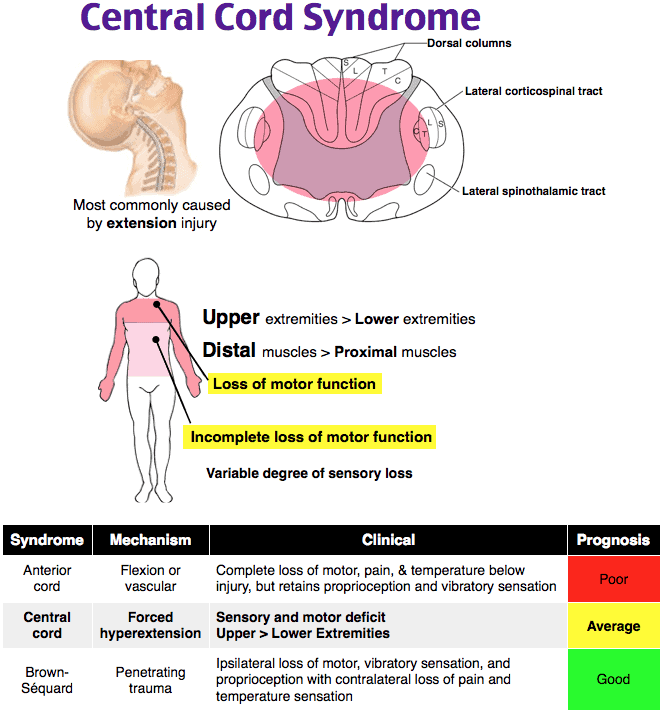
A 70-year-old man with a history of chronic neck pain presents after a fall. On physical examination, he has a laceration on his chin. Motor strength is 2/5 in his upper extremities and 4/5 in his lower extremities. He has decreased sensation to soft touch in both legs. Which of the following is the most likely diagnosis?
A new holosystolic murmur over the midaxillary line, with signs of heart failure, is consistent with acute mitral valve regurgitation. Think of inferior stemi as a possible cause here.
Immune thrombocytopenia presents with bleeding that is often preceded by a viral illness. It is treated with steroids and IVIG in most cases. For those with severe or life-threatening bleeding, platelet transfusion should be considered as well.
Measles presents with a prodrome of fever and three Cs (coryza, cough, and conjunctivitis) followed by a diffuse maculopapular rash and Koplik spots.
A painful vesicular rash on an erythematous base in the anorectal area is consistent with herpes simplex proctitis. Diagnosis is clinical. Treat with antivirals.
von Willebrand disease presents with mucosal bleeding, and the first-line treatment is desmopressin.
Central cord syndrome is often the result of a hyperextension injury to the cervical spine. It presents with bilateral motor dysfunction that is greater in the upper extremities than the lower extremities.
That wraps up RoshCast Episode 50! Be sure to also check out the rest of the Rosh Review Blog for questions from prior episodes, related images and tables, and bonus teaching points. There are also tons of other great free resources to help prepare you for the boards and the wards. Don’t forget to follow us on twitter @RoshCast. And you can always email us at RoshCast@RoshReview.com with any feedback, corrections, or suggestions.
You can also help us pick questions by identifying ones you would like us to review. Write “RoshCast” in the submit feedback box as you go through the question bank. Lastly, if you have a minute, make sure to rate us and leave comments on iTunes to help spread the word about RoshCast.
Life is like riding a bicycle. To keep your balance, you must keep moving.
–Albert Einstein
Welcome back to RoshCast for Episode 49! We have a lot of exciting material in this episode. Definitely don’t skip this one! For those taking the initial certification exam, it’s just around the corner. Go back and listen to old episodes and review.
Question 1
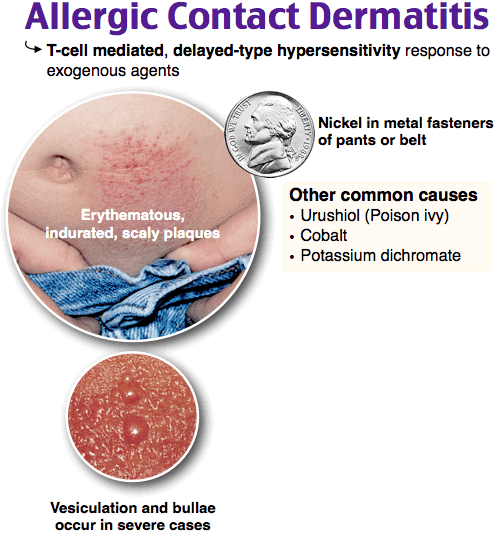
A 14-year-old boy developed an itchy, painful, erythematous rash on his hands, forearms, and face about a day after hiking in nearby woods with some friends. Your exam shows linear erythematous papules over his forearms with similar swelling and erythema around his eyes (including eyelids), cheeks, and forehead. You suspect poison ivy that he reports he has had in the past. Which of the following is most likely to improve the course of his illness?
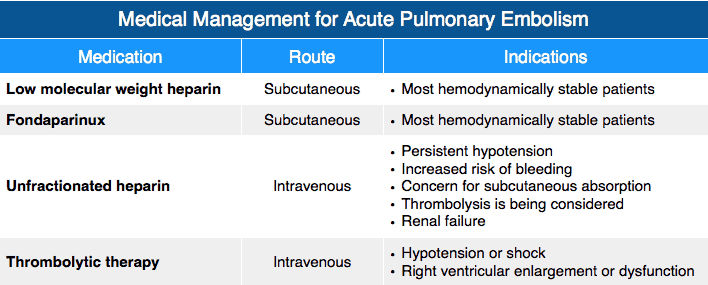
Which of the following patients will benefit most from receiving tissue plasminogen activator for acute pulmonary embolism detected in the emergency department?
A. 55-year-old man with a history of hypertension with vital signs showing HR 100/min, BP 80/40 mm Hg, R 24/min, and oxygen saturation 92%
B. 55-year-old man with a history of hypertension with vital signs showing HR 145 bpm, BP 136/86 mm Hg, R 24/min, and oxygen saturation 92%
C. 55-year-old woman with a history of hypertension and systemic lupus erythematosus with vital signs showing HR 100 bpm, BP 116/86 mm Hg, R 24/min, and oxygen saturation 85%
D. 55-year-old woman with a history of hypertension with vital signs showing HR 110 bpm, BP 122/80 mm Hg, R 24/min, and oxygen saturation 92% with evidence of right ventricular dysfunction on echocardiogram
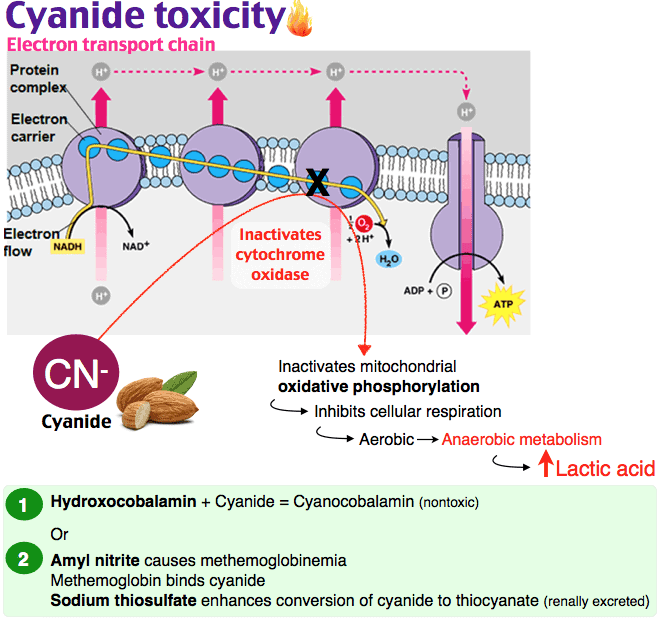
A 55-year-old woman presents to the emergency department unresponsive. She and her friend had finished eating 60 minutes earlier when the patient collapsed to the floor while talking. Which of the following foods is most likely the cause?
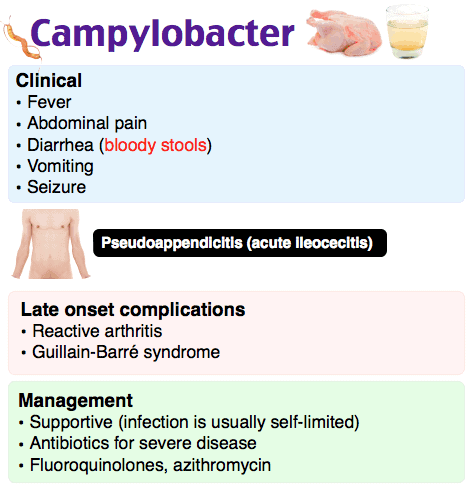
A 32-year-old woman with no past medical history presents to the emergency department with a four-day history of bloody diarrhea and abdominal cramping. She states that her boyfriend is having similar symptoms but did not want to come to the hospital. Their symptoms started two days after they shared a meal at their favorite fried chicken restaurant. The patient’s vital signs are 37.4℃, HR 89/min, BP 112/70 mm Hg, RR 17/min. Physical examination is significant for moist mucus membranes with brisk capillary refill and mild diffuse tenderness to palpation of the abdomen. Which of the following is the most appropriate management of this patient’s illness?
A. Admit for IV azithromycin and rehydration
B. Admit for IV rehydration and observation for resolution of diarrhea
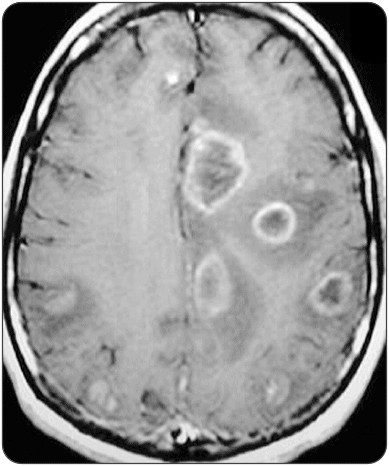
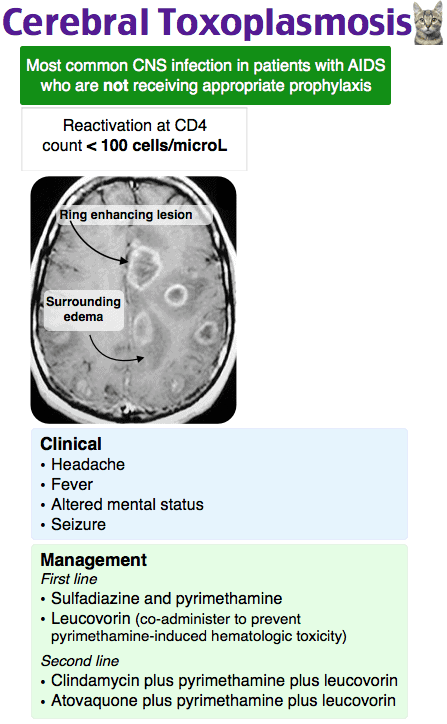
A 54-year-old man with a history of HIV and recent CD4 count of 85 presents with headache for 3 days. The patient’s sister says that he has been increasingly confused over the last 3 days. While in the emergency department, he has a seizure which resolves spontaneously. Electrolytes are within normal limits. A CT scan is performed and is shown above. Which of the following medication regimens should be given?
Localized reaction from poison ivy can be treated with topical high-potency corticosteroids. Extensive reactions or reactions involving the face or genitalia need a 2–3-week course of tapering systemic steroids.
Persistent hypotension or shock due to acute pulmonary embolism is the only widely accepted indication for systemic thrombolysis.
Severe metabolic acidosis is a hallmark feature of cyanide poisoning and treatment is with hydroxycobalamin.
Lightning strikes cause injuries via both acute thermal radiation and widespread electrical damage. Intense thermal radiation can cause tympanic membraneperforation.
Undercooked poultry is associated with infection from Campylobacter jejuni. This can present with bloody diarrhea, abdominal cramping, and vomiting. Treatment is with fluoroquinolones or azithromycin.
Subcortical, ring-enhancing lesions on a CT of the brain in an HIV patient with a CD4 < 100 is indicative of toxoplasmosis and treatment is with pyrimethamine, sulfadiazine, and leucovorin.
CNS lymphoma also causes ring-enhancing lesions in patients with AIDS but lesions in this case are usually solitary and located in the periventricular white matter. Symptoms are usually gradually progressive over months rather than days.
That wraps up RoshCast Episode 49! Be sure to also check out the rest of the Rosh Review Blog for questions from prior episodes, related images and tables, as well as bonus teaching points. There are also tons of other great free resources to help prepare you for the boards and the wards. Don’t forget to follow us on twitter @RoshCast. And you can always email us at RoshCast@RoshReview.com with any feedback, corrections, or suggestions.
You can also help us pick questions by identifying ones you would like us to review. Write “RoshCast” in the submit feedback box as you go through the question bank. Lastly, if you have a minute, make sure to rate us and leave comments on iTunes to help spread the word about RoshCast.